
Men’s Pilgrimage to Tibet
12 September - 1 October 2026
Journey to the centre of the Universe and yourself
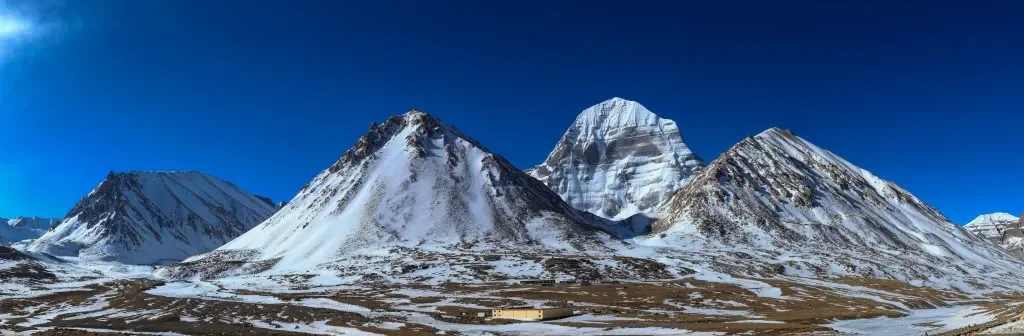
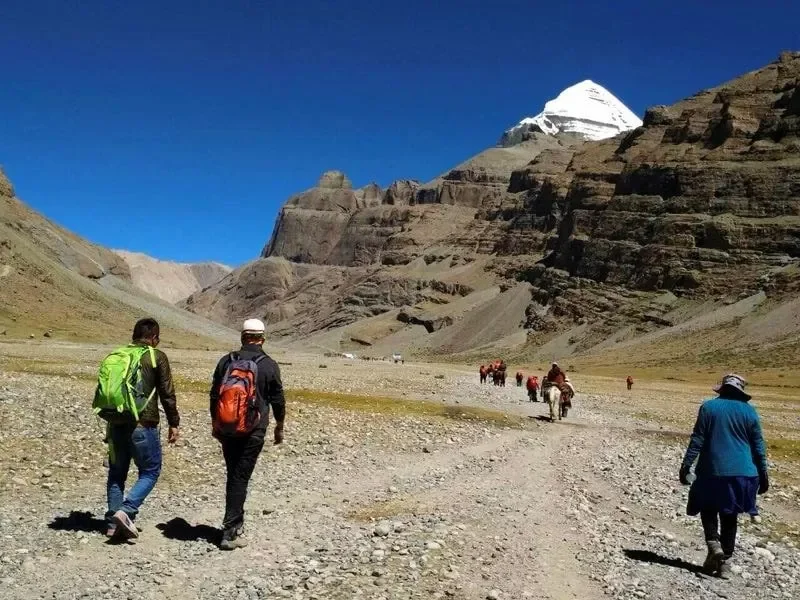
Join me this autumn for a very special Men’s Pilgrimage through Tibet, including a 3-day trek, or kora, around Mount Kailash.
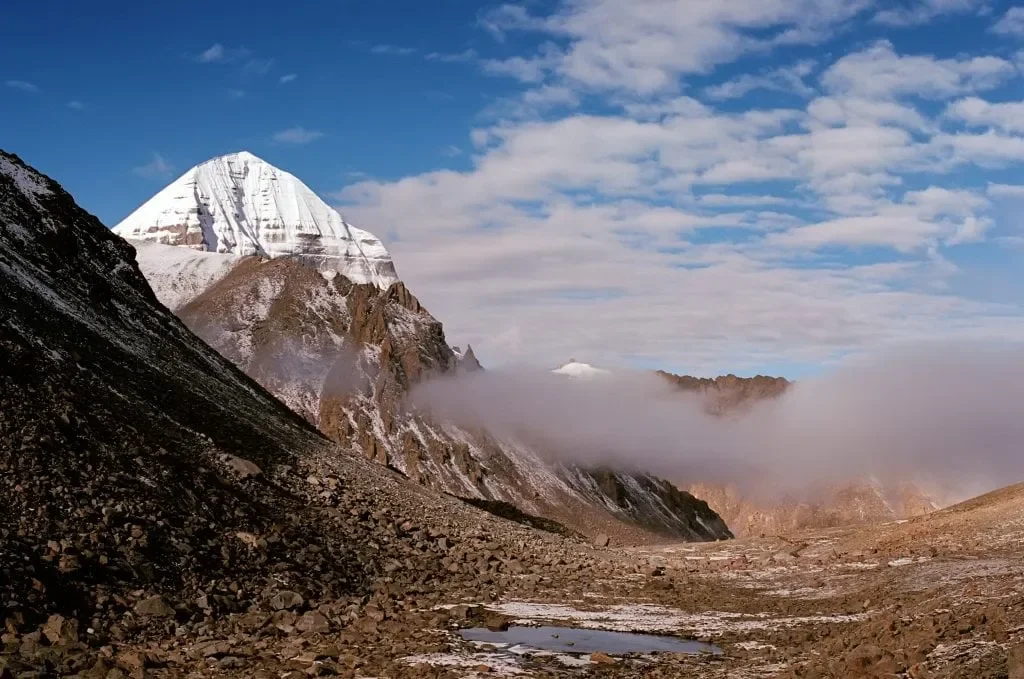
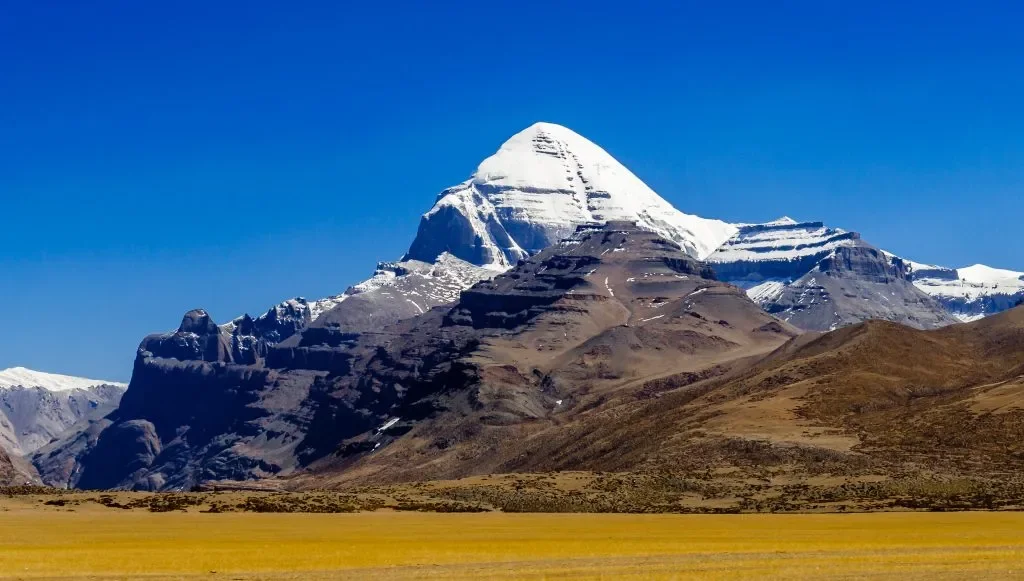
This mountain is one of the most revered and sacred sites on Earth, considered to be the axis mundi or ‘center of the Universe’, a place where the heavenly and earthly realms meet.
The external adventure serves as the impetus for your own inner journey and invites you to open up to and live from the sacred knowing and masculine essence that flow from the very heart of you.
Leveraging practices of advanced consciousness and spiritual alchemy, you will be guided and facilitated to shed that which no longer serves you and to align with deeper purpose, meaning and fulfilment.
* * *
We begin our journey with a few days in Beijing before taking the ‘world’s highest railway’ and travelling 4,000km across China to reach Lhasa.
After a couple days to acclimatise to the altitude and explore Lhasa, we embark on an odyssey through the ‘land at the top of the world’, with visits to sacred monasteries, Everest Base Camp and the enigmatic Lake Manasarovar.
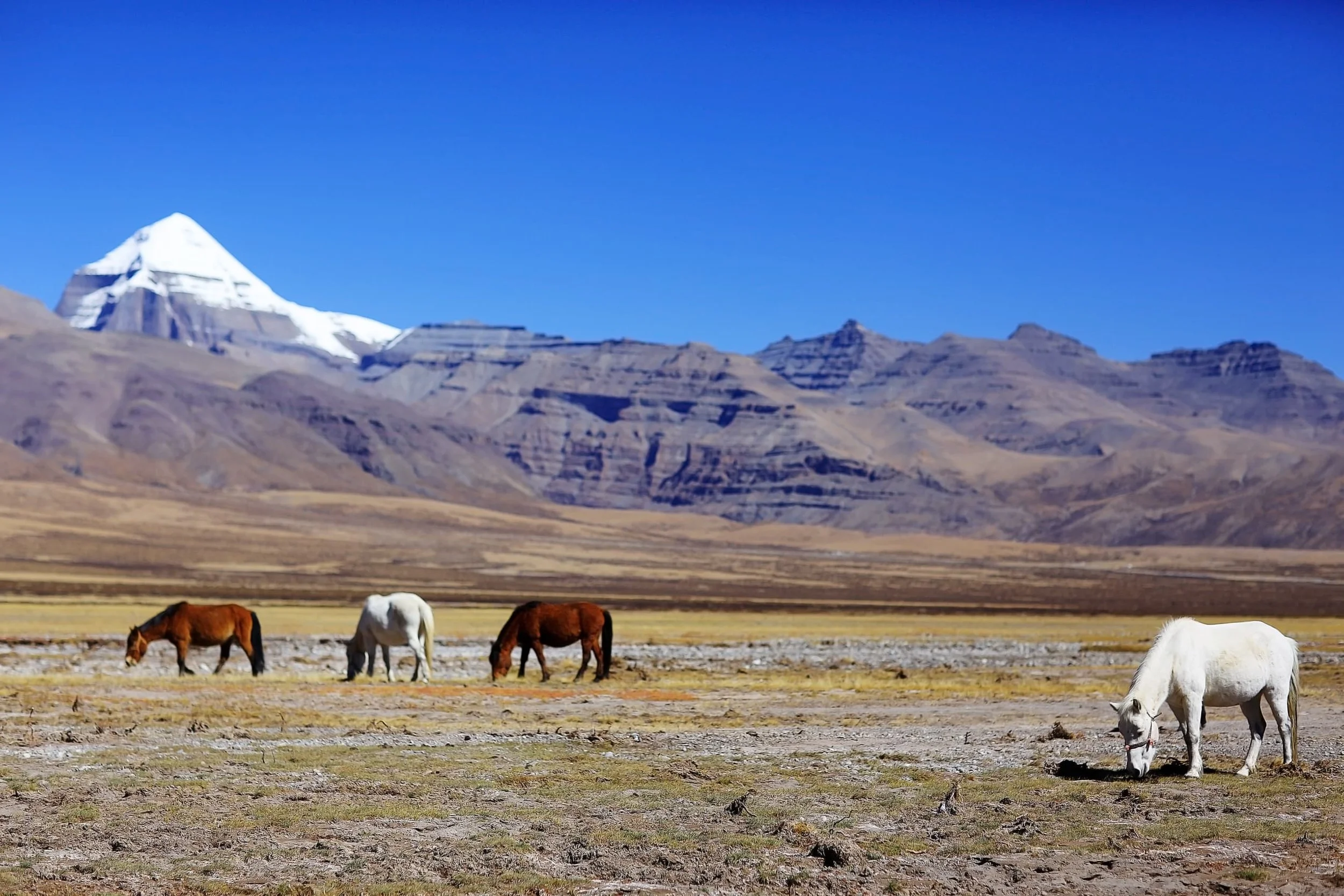
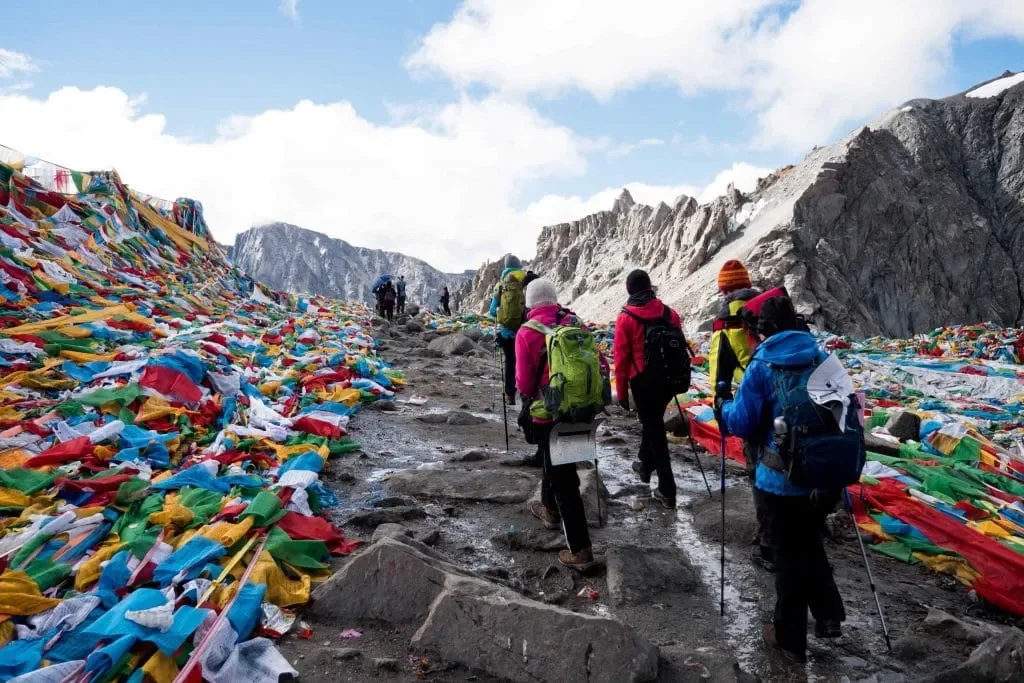
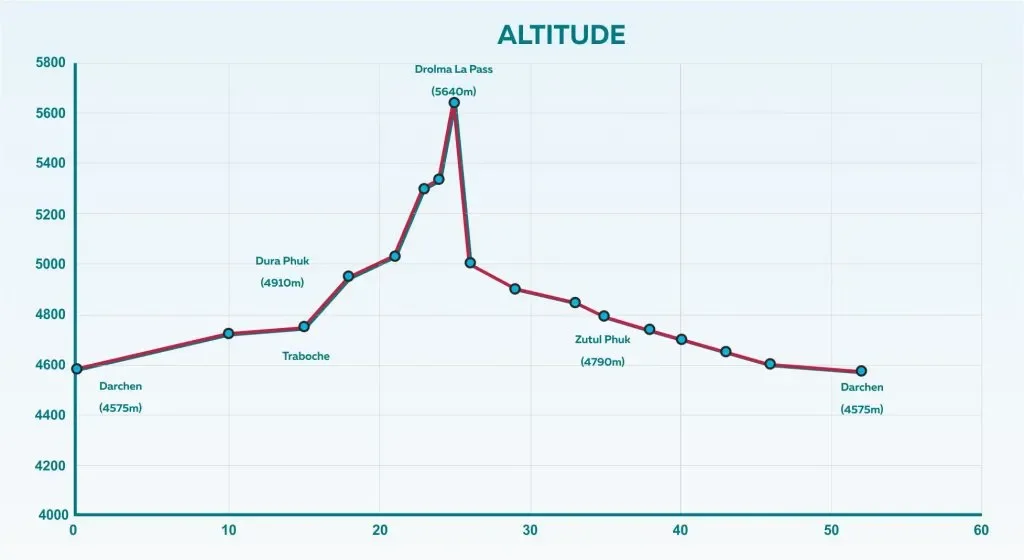
The high point of our adventure is a 3-day, 52km-kora to circumambulate Mount Kailash topping out at a 5,600-metre pass. This trek will give you the opportunity for deep meditation and spiritual transformation. For more information about the trek, see the Trek Profile below.
You will then have a few days to integrate your experience and learnings during our return trip to Lhasa, including further visits to monasteries as well as sacred lakes, rivers and valleys.
* * *
Throughout the journey, we will be incorporating Breathwork and Embodiment practices, as well as the Five Tibetan Rites, to support your physical and spiritual wellbeing and evolution.
We will come together for regular sharing circles to check in, connect with the other men and support your journey of Conscious Masculinity.
Our tour through Tibet is supported and led by Wonders of Tibet, a Tibetan-owned tour agency with private driver and English-speaking guide (with at least 10 years experience guiding tours). They are dedicated to supporting the local people with accommodation and meals (where possible) in Tibetan-owned facilities.
For further considerations and questions, see our FAQs below.
If you heart says “YES” let’s have a chat.
“Pilgrimage to the place of the wise is to find escape from the flame of separateness.”
Program Outline
12 Sept — Arrive in Beijing (staying at Blossom House in the traditional Qianmen neighbourhood near Tiananmen Square)
13-15 Sept — Tour of Beijing, including: Tiananmen Square, Forbidden City, Temple of Heaven and Great Wall of China
15-17 Sept — Train to Lhasa (4,000km over 40 hours), including four-person sleeping cabin
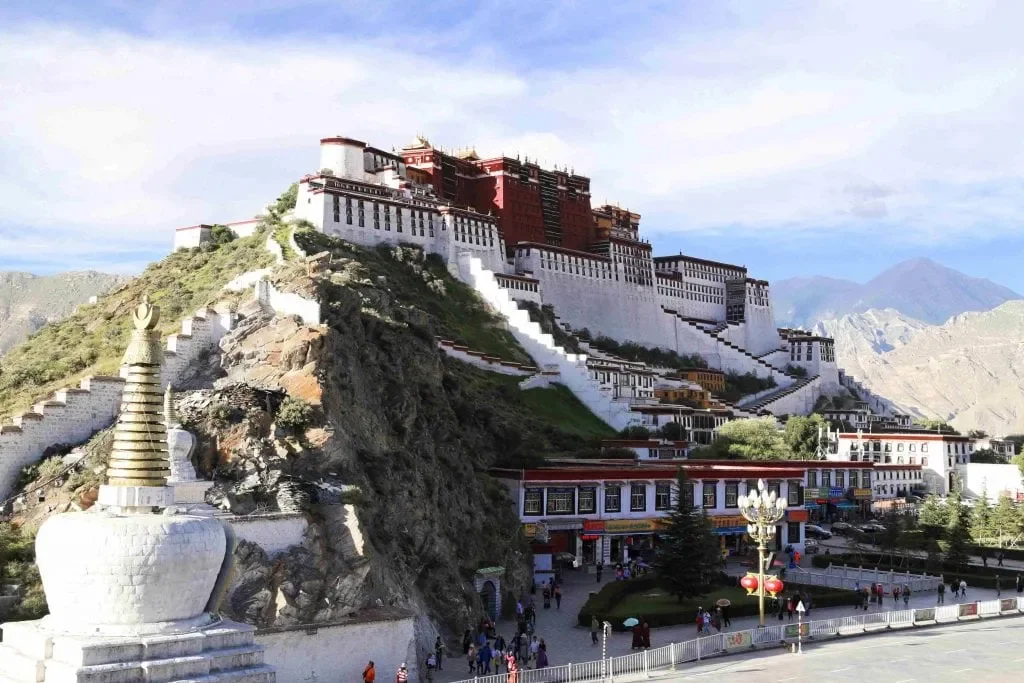
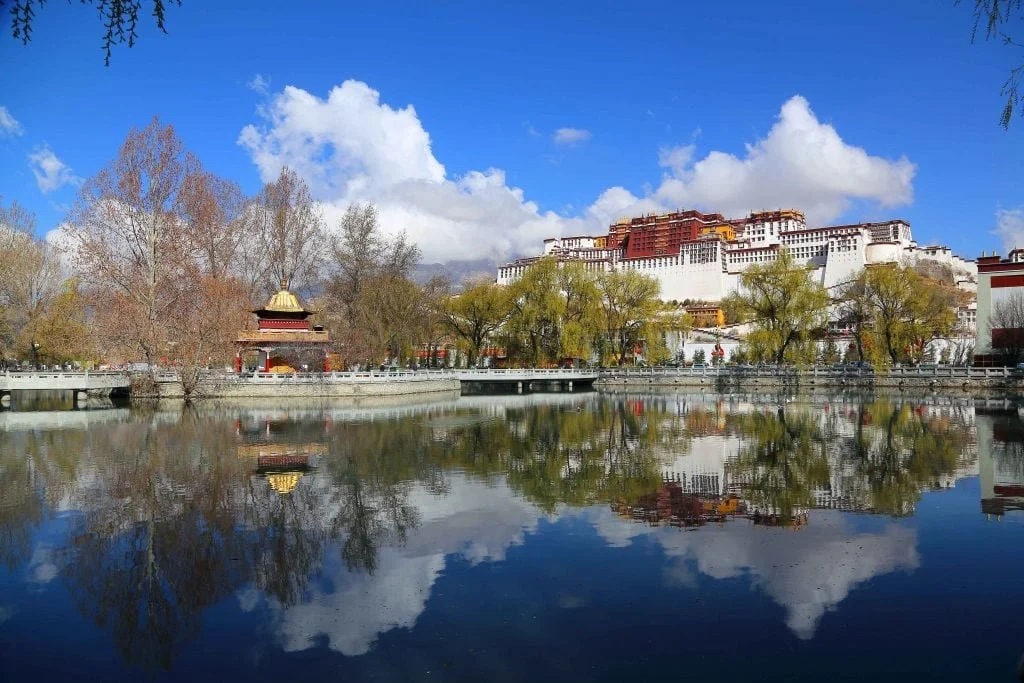
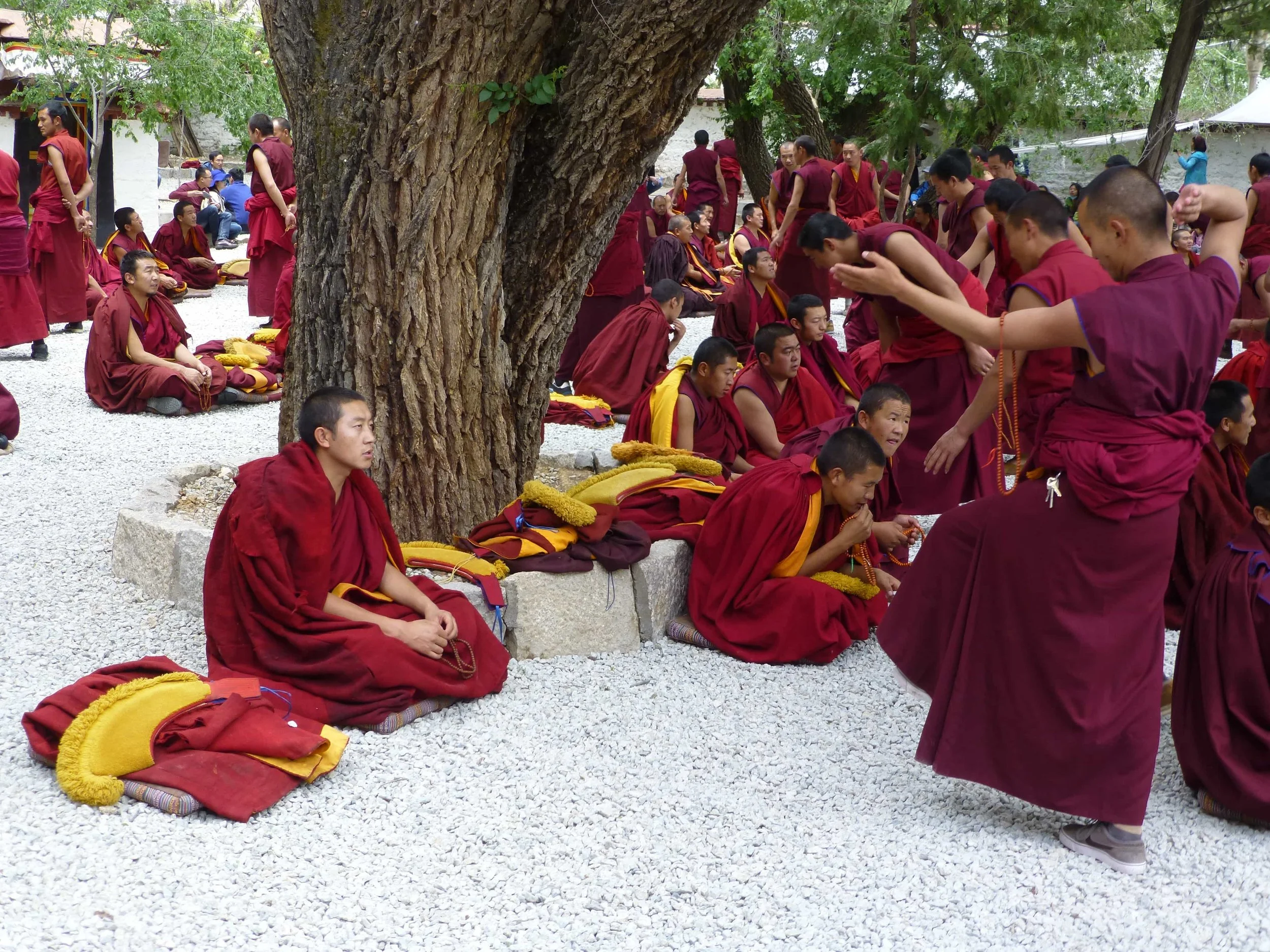
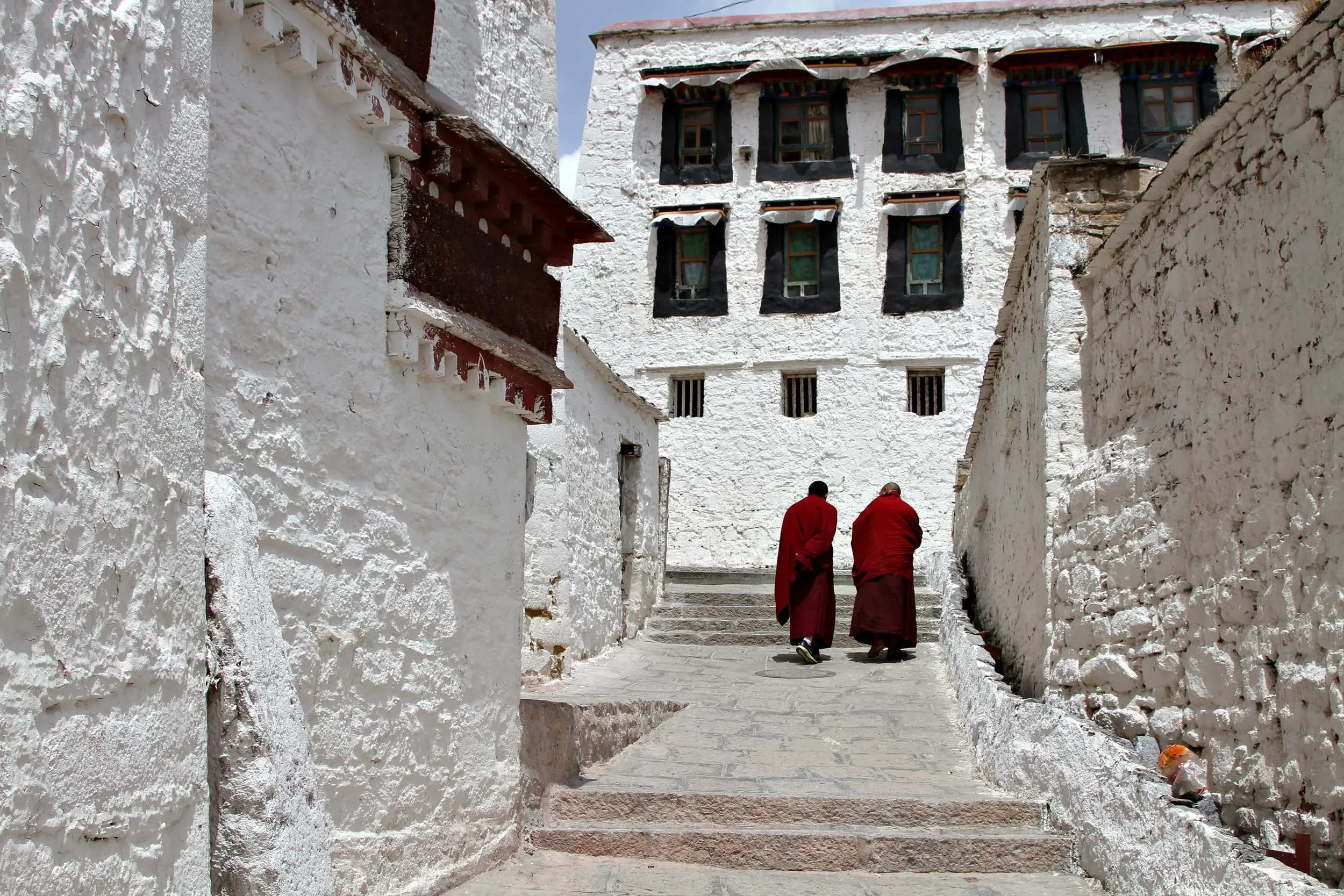
17-19 Sept — Tour of Lhasa, including: Potala Palace; Jokhang Temple; Drepug and Sera Monasteries
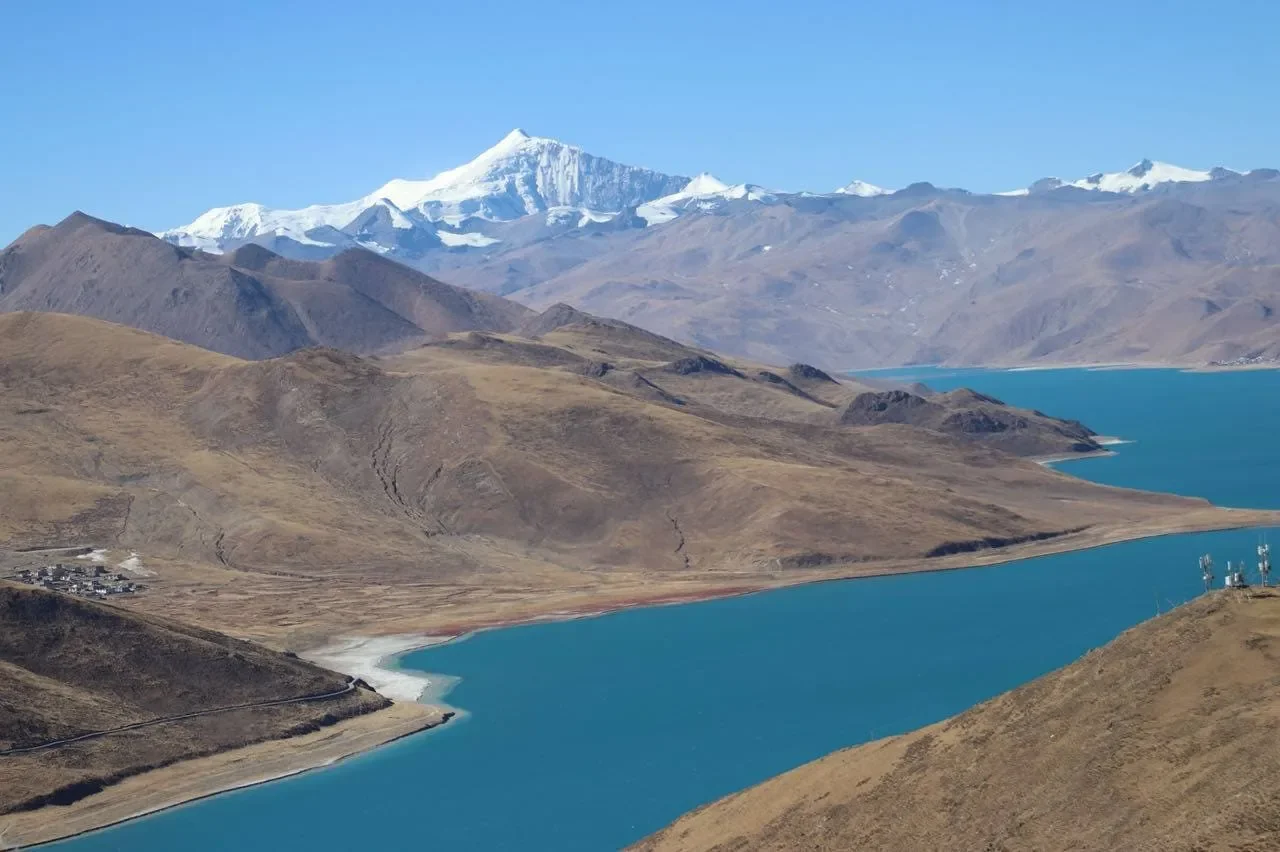
20 Sept — Drive to Shigatse, including: Yamdrok Lake; Pelkor Chode Monastery; Kumbum Stupa
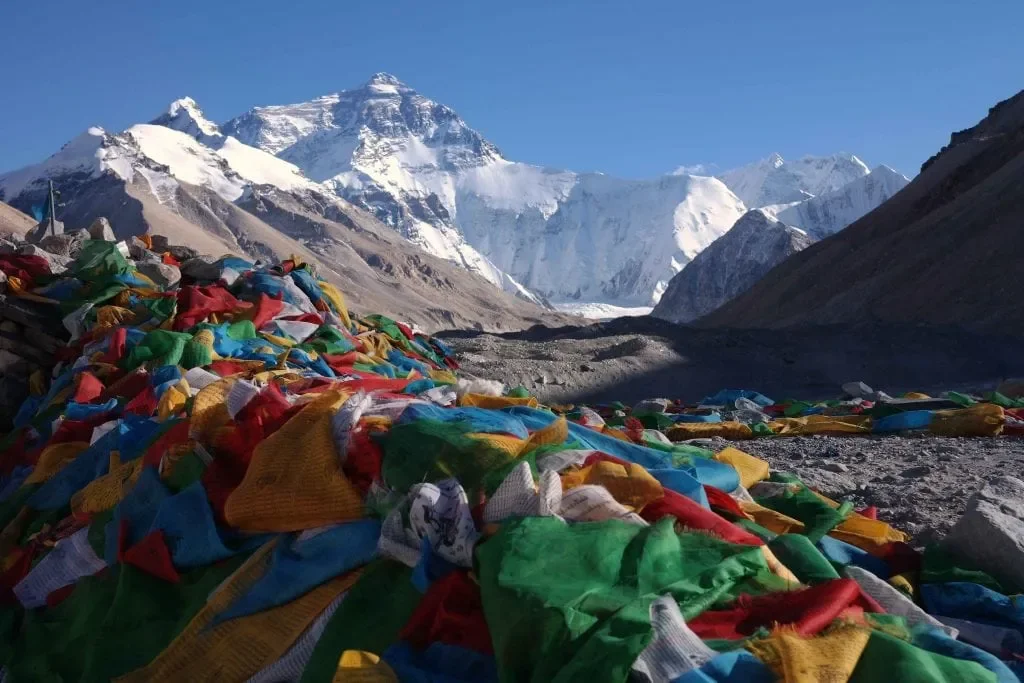
21 Sept — Visit and stay at Everest Base Camp
22-23 Sept — Tour through Saga and Darchen, including Phelku Tso lake, Saga Valley and desert sand dunes
24-26 Sept — Trek around Mount Kailash (see trek profile below), with stays at guesthouses of Dira Puk and Zutiulpuk Monasteries
27 Sept — Recovery day along the shores of the beautiful and mysterious Lake Manasarovar staying at Chiu Monastery
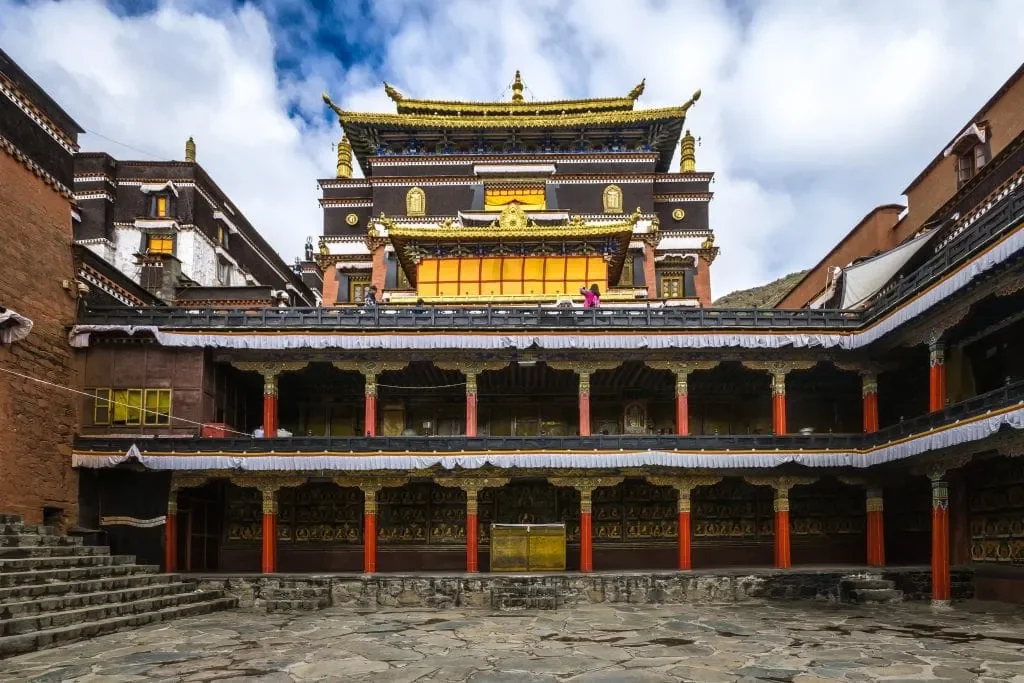
28-30 Sept — Return drive to Lhasa with stops at Langtso Lake and Tashilumpo Monastery
1 Oct — Return to Lhasa and depart for home (option to stay longer at own expense)
Cost: £2,950
What’s included:
Hotel in Beijing (12-15 Sept, single occupancy, breakfast included)
Tours in Beijing (13-14 Sept)
Train ticket to Lhasa (including, stay in four-person cabins)
Visa and permits for travel in Tibet
All accommodation (twin share) and meals while in Tibet
Private English-speaking tour guide and minivan for travel in Tibet
Transfer to airport / train (if leaving on 1st Oct)
What’s NOT included:
Visa for entry to China (must be arranged prior to visit)
Flights to and from China
Lunch and dinner while in Beijing and meals on train to Lhasa
Single-occupancy accommodation in Tibet (where available)
Any alcohol with meals (not advised in Tibetan altitudes)
Photography fees at monasteries in Tibet
Horse hire, porter or extra food for Mount Kailash trek (optional)
Tips for tour guides and drivers
Departure travel from Lhasa
Staying in Lhasa and transfer to airport / train (after 1st Oct)
Travel and international health insurance (highly recommended)
Kailash Trek Profile
First Day: 20 km/ 12.4 miles. Ascent 335 meters.
Highlights: South and West sides of Kailash, Tarboche flagpole and stupa, Dira Phuk monastery
Second Day: 22 km/ 13.6 miles. Ascent 730 meters. Descent 850 meters.
Highlights: North and East side of Kailash, Drolma La Pass (5,640 m), Buddha footprint
Third Day: 14 km/ 8.7 miles. Descent 215 meters.
Highlights: South side of Kailash, Zutul Phuk
Frequently Asked Questions (FAQs)
How fit do I need to be for this adventure?
This Pilgrimage may involve challenges related to altitude and physical fitness beyond those you have previously experienced. In addition, you will be invited to Breathwork and Embodiment practices throughout. Most of the Pilgrimage will take place in Tibet with altitudes over 3,500 metres, including a 3-day trek in rural areas at approximately 4,500 - 5,600 metres.
What about altitude sickness?
Gaining altitude at a steady pace is crucial.
We start our journey in Beijing, near sea level and take a 40-hour train ride to Lhasa, with an elevation of 3,650 meters. At this altitude, some travelers can experience mild symptoms of altitude sickness. We spend two days in Lhasa to acclimatize to the high altitude before continuing to higher areas.
By the time we reach Mount Kailash, most travellers will acclimatize to trek around it. The highest point of the trek is 5,640 meters. We reach this high pass on the second day of trekking. If you want additional help, you can hire porters, horses, or yaks in Darchen before the departure.
if you have any concerns, you should consult your doctor about travelling to high-altitude areas who might prescribe medication (e.g., Diamox / Acetazolamide). Our guide is trained to respond to symptoms of altitude sickness with local herbal medicine and you will be provided with a portable oxygen canister, if you need it.
Do I need a Visa to travel to China and Tibet?
Depending on your country of origin, you may need to apply for a visa to enter and travel through China. You should check with your country’s embassy or consulate and prepare for enough time (at least two weeks) to receive any necessary visa for travel.
We will apply for separate permits for travel to Tibet approximately two weeks prior to our arrival in China. Please contact me and I will ensure that we have the correct paperwork for this permit.
Do I have to share a room with another man?
Single-occupancy rooms are provided in Beijing. The train to Lhasa includes a four-berth sleeping cabin and no single-occupancy is available.
Single-occupancy rooms are available in Lhasa and most locations throughout Tibet except on the trek around Mount Kailash and in some remote locations.
The supplemental cost for single-occupancy is £400.
Why is this a men-only pilgrimage?
There is something deeply powerful about men sitting in fellowship with other men. It is an ancient practice that we have largely lost or abandoned in the modern world.
They say that ‘steel sharpens steel’ and that is the essence of this work. For more information on Men’s Work at Galliant Trainings, see our page about The Adventure of a Man.
In addition, in the Hindu tradition Mount Kailash is said to be the home of Lord Shiva who represents the essence of the Divine Masculine. He encompasses attributes such as strength, protection and clarity.
Shiva is considered the Destroyer but that is not for the sake of destruction. This attribute of destruction is a powerful force that is necessary for renewal, regeneration and transformation.
This Pilgrimage is intended to support men to learn and share in the possibility of letting go of the old to make way for the new.
What do I need to bring for the trip?
I will provide you with a recommended packing list but, for reference, here are some basic considerations.
In Beijing, average temperatures should be around 15-25 degrees Celsius (59-77 Fahrenheit). Throughout Tibet, temperatures should range from -1 to 19 Celsius (30-66 Fahrenheit).
For the trek around Mount Kailash, a small overnight pack is recommended with a sleeping bag and plenty of layers to accommodate a range of temperatures and changing weather.